

Getty Images

Start with a question and we'll search our network of publications.

Executives present a unique security vulnerability. White-glove security training provides personalized strategies against impersonation, deepfake and spear phishing attacks.
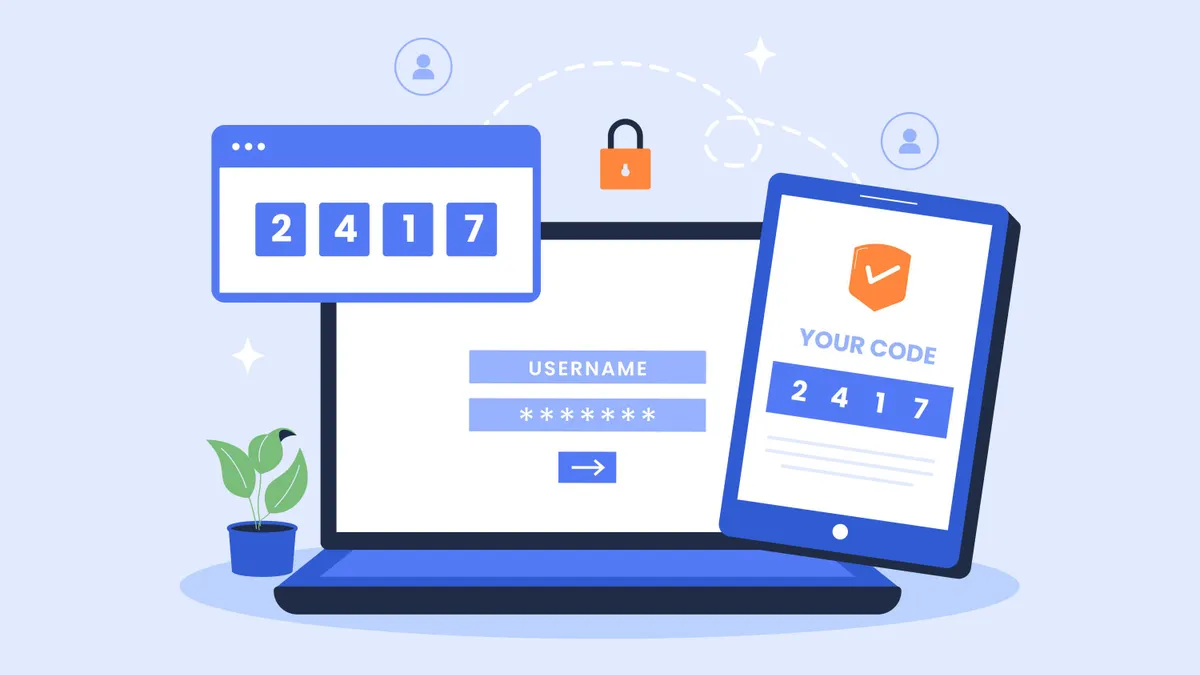
Threat actors continue to find new ways to use stolen tokens to compromise protected systems. AI only makes it easier for them.

Traditional network boundaries have all but disappeared. Enterprises must find new ways to protect their digital assets in a world where SaaS and multi-cloud deployments dominate.

Nonhuman identities are one of the fastest-growing yet least-governed access risks in the enterprise today. Learn how to address them.

Protecting the help desk from deepfake threats doesn't necessarily mean deploying the latest detection tools. Prioritizing policy over detection can stop deepfakes in their tracks.

Before you sign on the dotted line, make sure you understand what cyber insurance can and can't do -- and what type of policy will do the most for your organization.
A high-impact GitLab flaw lets unauthenticated attackers run code on self-managed servers. Every release since 2014 is affected.
Although website shutdowns were inevitable to patch critical PHP flaws, early leaks and a broken embargo turned routine maintenance into an emergency scramble.
AI gave defenders a head start, but PHP2Shell has sparked a chaotic race against automated exploits across 22 million vulnerable servers.