




sarayut Thaneerat via Getty Images

Start with a question and we'll search our network of publications.

Rising hardware costs, Windows and SAP deadlines, supplier risks and cloud exit barriers turn familiar trends into urgent 2027 decisions.

 Podcast
AWS views its array of non-relational databases as essential layers underpinning AI agents.

The rules reach beyond physical chip shipments, putting overseas data center operators under new pressure to verify who uses their computing capacity.

Traditional security questionnaires fall short on AI vendor risk. Learn how to assess exposure and establish proportionate controls.

An insurer's AI testing problem shows why CIOs need to assess whole workflows, not just the model.
After the Microsoft outage, David Linthicum urges CIOs to map cloud dependencies, test recovery plans and resist panicked vendor exits.
Buying technology is one thing. Making it work together — at a price customers can justify — is another.

New Relic's fourth CEO since 2021, Nandini Ramani, wants to restore the company's disruptive edge in the volatile observability market.

The year ahead could bring clarity on AI prices and the benefits of open versus closed source models. Meanwhile, 2027 will also witness the steady rise of AI-fueled robots.

Robotics startup OpenMind demonstrates Iris, a humanoid that uses lab-grown human neurons to make decisions.
Amid soaring AI attacks, analysts say CISOs should assume guardrails will fail and build rollback and recovery plans now.

The offboarding ticket says done. But a working AI login or a chat history outside IT's reach can tell another story.
AI inference, risk and complex economics will scatter AI workloads, leaving enterprise platform teams to make sense of it all.

As agents gain access to enterprise systems, attackers are exploiting the documents and files they process to trigger unauthorized actions.

Shadow AI browser agents can bypass IT controls and expose data. CISOs need a multilayered security and governance strategy to rein them in.

CIOs want bigger gains from AI in 2027. These five trends show how they’re choosing where to invest—and what needs to change.

Anthropic's proposed $1.3 trillion IPO tests whether rapid growth and AI demand can translate into sustainable profits.

When evaluating data architectures and platforms, data traceability raises key questions that vendors need to answer.
Can Jensen Huang's successor deliver the chips Nvidia has planned, and what will Nvidia build next? Both questions matter to IT buyers who rely on its chips.
More than a decade ago, Amdocs made Cloudera its platform for managing data and building data products. Here's how the team-up has grown.
Demands for real-time, context-rich data, proactive governance and effective cost control will shape data management and analytics in 2027.
Discover how GreenOps uses AI to enhance sustainability in IT ops by optimizing resources, minimizing environmental impact and adopting greener practices.
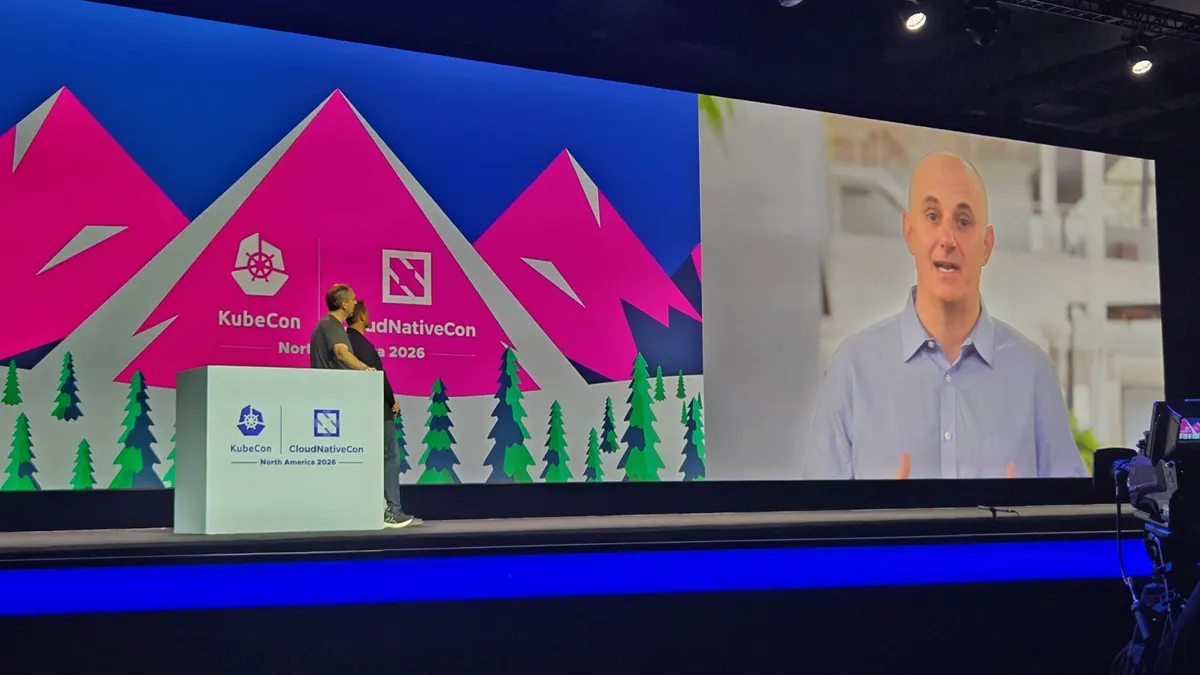
NVKE and NVKR won't replace mainstream Kubernetes distros, the company says, but it will get access to the latest GPU hardware.
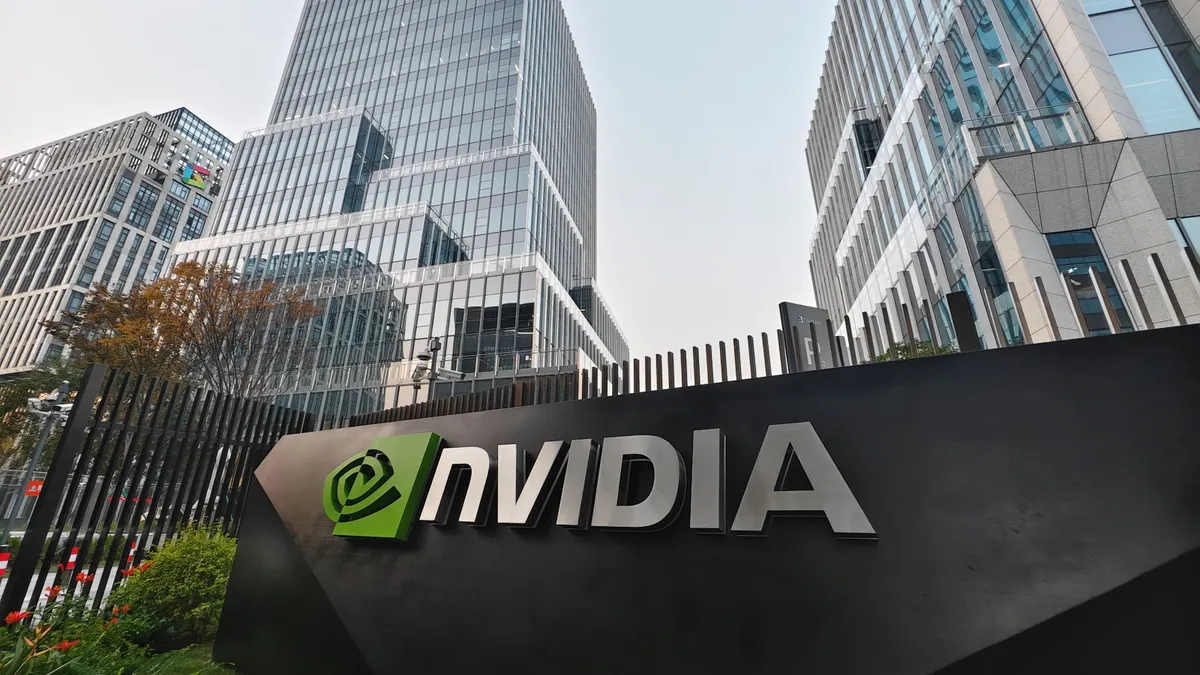
Nvidia chip competitors now see a chance to ramp up. It’s too early to see if they have a realistic ability to do so.
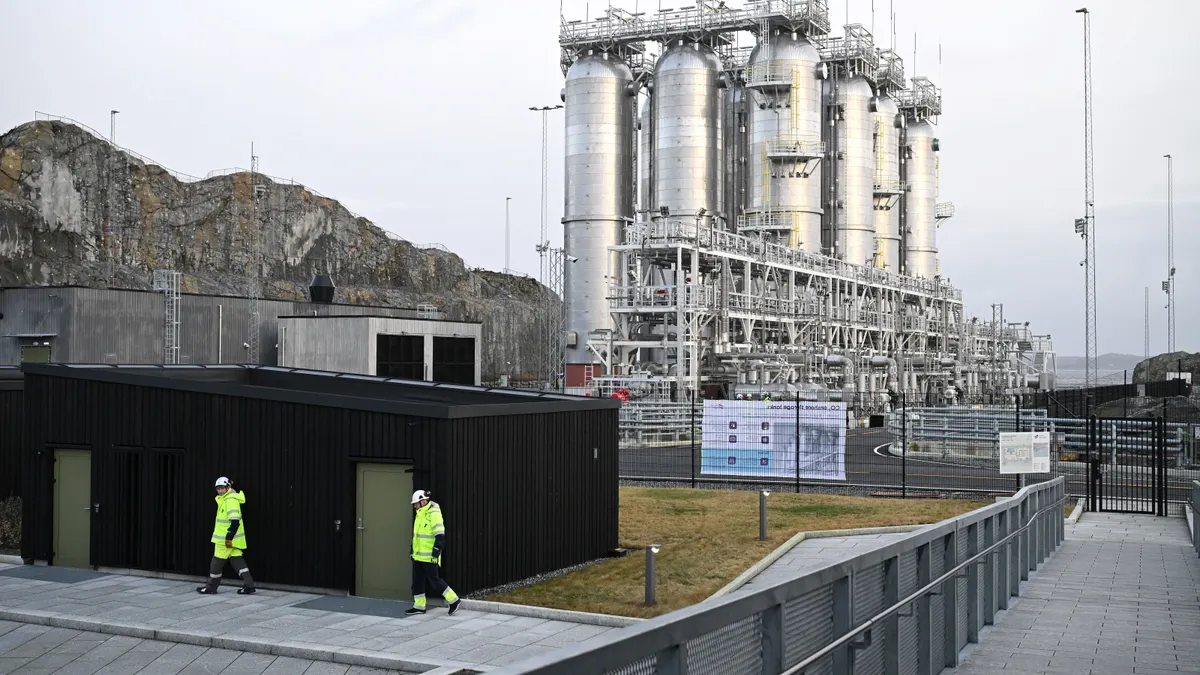
A 32.1-GW pool of connected, reserved and requested capacity puts Norway’s AI data center boom under scrutiny.
 Trending Now
