Upskilling is key to building AI-driven data teams
External hires and consultants can help, but strengthening the current data team for AI work often leads to quicker progress, lower costs and better retention.
The rise of AI has brought many changes to the enterprise, but data teams are among the groups seeing the biggest impact.
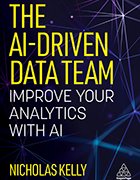
In The AI-Driven Data Team, author Nicholas Kelly -- an AI and analytics consultant -- explains how AI is changing every aspect of the data team, from its structure and mindset to the technologies it needs. Readers will learn how data leaders can help move their organizations toward AI adoption with stronger, more capable data teams.
One of the decisions Kelly addresses is how to tackle skills gaps. Executives often find themselves at a crossroads: Do they hire a new senior employee? Outsource to consultants? Or is the secret to success upskilling current employees?
This excerpt from Chapter 6 explains why upskilling is essential to success for enterprises seeking to address skills gaps within their data teams. For further discussion on hiring and outsourcing -- and when to choose them instead of upskilling -- download a PDF of Chapter 6 here.
 Click here to learn more.
Upskilling: The highest-leverage first move
Upskilling is often misunderstood as sending everyone to generic training courses or handing out lists of recommended videos, but it's actually about focused AI-assisted learning tied directly to the tasks that drive a team's value. When approached this way, upskilling solves more problems and solves them faster than most leaders expect, especially when time and budget are limited, and the advantages are straightforward and measurable.
The first advantage is speed. An upskilling effort can begin immediately without job postings to draft, recruiters to engage, or vendor contracts to negotiate. Internal employees already know the data landscape, the quirks in metrics, and the informal rules governing how work gets done. With that foundation in place, a structured 90-day upskilling plan can take someone from novice to baseline proficiency in a tool or method in 8-12 weeks, compared with bringing in external talent which often requires more than 120 days just to fill the role before any work is done.
Cost is another clear advantage. A well-designed reskilling program typically runs a few thousand dollars per person covering courses, certifications, and hands-on project work. When compared with the fully-loaded cost of a new hire, including benefits, tools, taxes, recruiting fees, and onboarding, the difference is stark. Upskilling comes in at a fraction of that total, often around 60 percent cheaper once all hidden costs of hiring are factored in, and because the investment goes into people who already understand the organization, the risk of poor cultural fit is far lower.
Productivity also arrives sooner. Someone reskilled internally reaches their stride much faster than someone who has never worked with the organization's data or systems. After 30-60 days of focused learning, reskilled employees can often operate at 80 percent or more of full capacity, while new hires may take months to reach the same point. AI copilots further compress the learning curve by providing on-demand guidance, letting trainees practice on real tasks and receive immediate feedback. Studies of generative AI coding assistants show notable gains, with overall productivity increases of around 26 percent and even larger jumps for junior developers.
The benefits reach far beyond skill acquisition. Upskilling reinforces retention and morale because employees tend to stay where they grow, and reskilling programs consistently show retention rates of 80-plus percent, significantly higher than typical retention for external hires over the same period. When people feel their growth is supported, they respond with loyalty, energy, and initiative, beginning to identify new gaps themselves and volunteer solutions that create an upward spiral of improvement.
Perhaps the most powerful aspect is the compounding effect. One upskilled analyst who can now build a simple forecast removes a bottleneck that previously required escalation, one BI developer who can draft narrative insights makes dashboards more usable and reduces follow-up questions that bog teams down, and each new skill amplifies the effectiveness of others. Over several cycles of targeted upskilling, the entire team's capacity expands without adding headcount. Importantly, choosing upskilling first doesn't close the door on hiring or outsourcing, but instead builds internal muscle that makes those investments land well.
Editor's Note: This excerpt is from The AI-Driven Data Team by Nicholas Kelly ©2026 and is reproduced and adapted with permission from Kogan Page Ltd.
 Nicholas Kelly
About the book author: Nicholas Kelly is an AI and analytics consultant with more than 24 years of experience in the data field, having worked with companies and agencies across multiple industries. He is a co-founder of the consulting firm Delivering Data Analytics, which specializes in building strong data teams for organizations.
About the article author: Nicole Viera is an associate site editor for Informa TechTarget's Data Technologies site. She joined the company as an editor and writer in 2024.
Dig Deeper on Business Analytics
-
![]()
Business leaders marked down on AI workforce strategy
By: Cliff Saran
-
![]()
Tech recruitment outlook: high demand for specialist skills will drive the market in 2026
-
![]()
Why CIOs should hire older IT workers: A strategic advantage
By: Eric St-Jean
-
![]()
How organizations can reskill and upskill employees in AI
By: Kashyap Kompella