




During her time working within the Australian intelligence community, Harriet Farlow noticed a trend. Discussions around AI and cybersecurity almost always focused on how AI can be used to enhance security, while far fewer centered on securing AI itself.
This lack of discussion frustrated Farlow, as organizations in Australia rely on AI models built outside the country. She addressed this security gap in writing Practical AI Security.
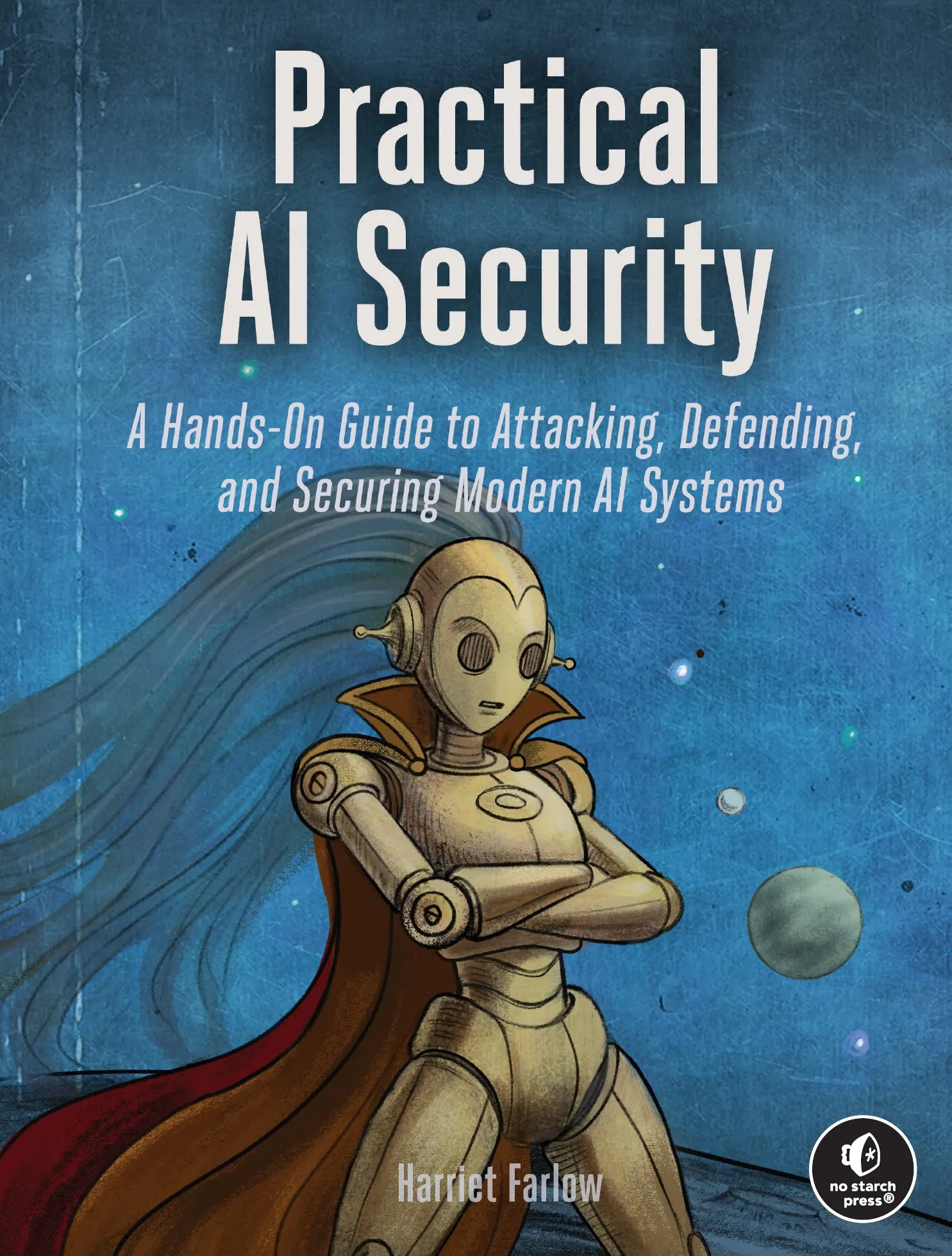
In her book, available from No Starch Press, Farlow, now CEO of AI security consultancy Mileva Security Labs, provides the technical foundation for securing AI systems, including the basics of machine learning models, navigating governance frameworks and executing red-teaming campaigns.
In an interview with TechTarget, Farlow discussed the challenges of AI system security and why it's important for CISOs to establish guardrails and a level of acceptable risk for AI usage.
According to Farlow, AI security differs from traditional security through several factors, including:
- Probabilistic behavior. The same input doesn't always guarantee the same output, unlike deterministic systems with fixed logic, such as payment processing and compliance checks.
- Heavy reliance on data. This raises questions about the completeness of the data used to train AI, potential bias and possible backdoors in the training data.
- Increasing model capability. AI — especially agentic AI — can act in human-like ways and unintentionally pose an insider threat within a company without proper oversight.
"That introduces all kinds of security quandaries that are different from traditional deterministic systems," she said.
But AI's security challenges don't mean organizations shouldn't use AI. Rather, they should identify the conditions under which AI can be used safely. This requires CISOs to shift their mindset to focus on securing AI from the inside, rather than just from external threats, she said.
Shadow AI and acceptable risk
Shadow AI creates additional insider threats for enterprise systems. Organizations with overly restrictive policies can push employees toward shadow AI, such as using a personal ChatGPT or Claude account to get work done.
"It's always a tough balance to be secure, but also not too annoying," Farlow said. "If you limit things too much, then your staff will find ways to go around it."
Even if employees perfectly follow AI security rules, the probabilistic nature of AI systems makes it impossible to have a watertight policy with all the guardrails in place, she said.
"It's more about understanding there's a small amount of risk that you're going to have to accept, and you have to decide exactly what that threshold looks like," she said.
Establishing AI guardrails
There is no single correct organizational structure for securing AI systems, such as a Chief AI Officer with sole decision-making responsibility or a distributed structure that shares responsibility.
What matters most, Farlow said, is whether the responsible party has visibility into all the different touchpoints of an AI system and has authority to stop risky AI projects.
It's also important for CISOs to have open dialogue with the technical staff involved in AI deployments, including security and IT teams, AI developers and vendors, she said. They must evaluate the third-party AI tools being used and the risks they pose to the business, given that organizations have less control over them.
CISOs must understand that meaningful governance does not entirely halt progress. It's about implementing guardrails to enable the organization to proceed at an appropriate pace, she said.
Most security professionals have experience with advances in technology that negatively affect security, she said, but that hasn't stopped organizations from rushing to adopt AI and thinking about security later.
"I'm like, 'What do you mean you're just adopting this AI agent, and you haven't thought about what it can access? What year is this?' But it happens all the time," she said.
Read this downloadable excerpt from the chapter "AI Governance" of Practical AI Security, which provides an overview of industry and regulatory governance frameworks, case studies and practical steps to implement AI governance.
Harriet Farlow is the founder and CEO of Mileva Security Labs, which provides AI security advisory, assessment and training. She has a PhD in adversarial machine learning and a master's degree in cybersecurity. She is also the host of the AI Security Podcast and her YouTube Channel, HarrietHacks.
Katherine Finnell is senior editor for TechTarget Cybersecurity. She writes and edits articles on a variety of cybersecurity technology topics, including AI and CISO strategy.