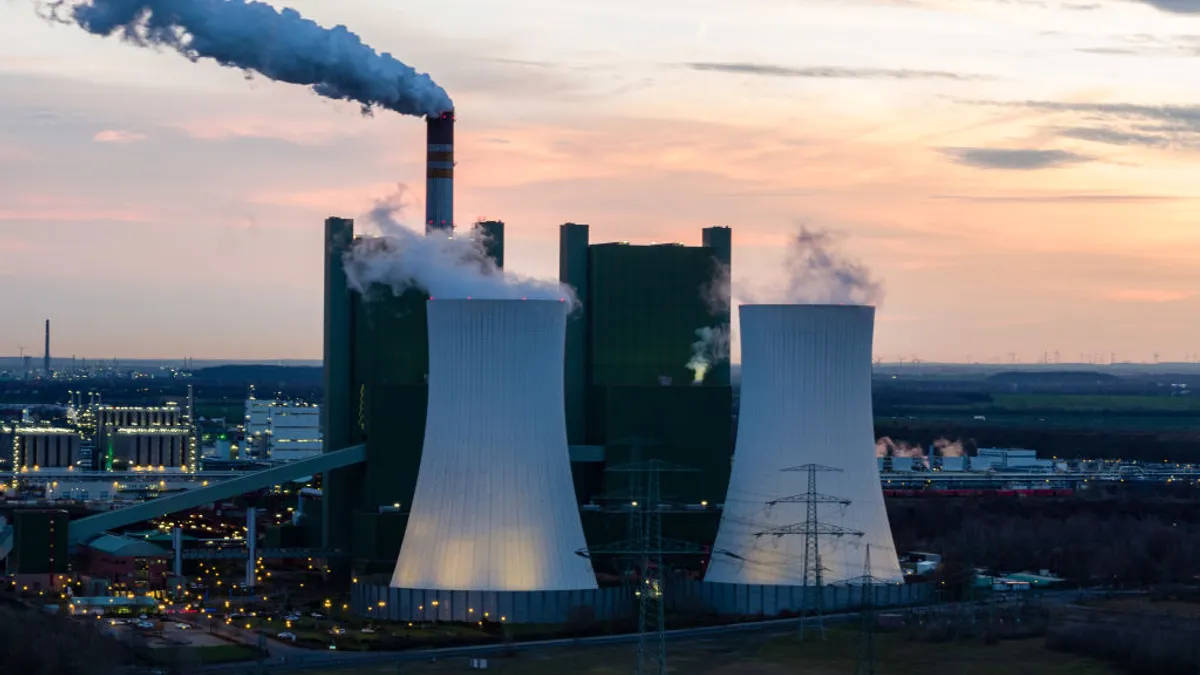



The rush to build AI data centers hasn't always shown much consideration for the communities where they're being built. Technology companies have pursued enormous infrastructure projects, sometimes encountering fierce opposition over electricity costs, water consumption and the environmental consequences.
Now, at least some are taking a more accommodating approach.
In a bid to become better neighbors, companies such as OpenAI are making commitments that could require them to reduce the electricity they draw from the grid during periods of high demand. That's quite different from the aggressive expansion efforts that have characterized much of the AI infrastructure boom.
But does it signal a genuine change in priorities? Or have companies simply recognized that accommodating communities, utilities and regulators has become part of the cost of doing business?
The distinction may matter less than the actual results.
Recent TechTarget reporting shows how grid requirements, political opposition and electricity costs are beginning to influence where AI infrastructure can be built, how it operates and who pays for it.
Promises about future flexibility aren't yet the same as demonstrated performance.

A different approach to getting power
In Georgia, OpenAI has agreed to a power-flexibility arrangement that allows Georgia Power to curtail up to 1,000 megawatts of electricity delivered to its planned Effingham County campus during periods of grid stress.
The proposed campus will require approximately 3,200 megawatts, making the potential reduction substantial.
OpenAI has presented the agreement as a model for its broader Grid Protectors program, under which it plans to work with utilities to make future data centers more responsive to electricity-system needs.
There are legitimate benefits to that approach. Electricity demand changes throughout the day and across seasons. Large consumers that can reduce demand during critical periods may help utilities maintain reliability and avoid some infrastructure investments.
The details matter, however. How much electricity can a facility actually stop drawing? How quickly must it respond? And what happens when computing workloads cannot easily be interrupted?
The Georgia agreement establishes a contractual commitment, but its detailed operating provisions have not been disclosed. The facility is also still under development.
Promises about future flexibility aren’t yet the same as demonstrated performance.
Communities and regulators gain leverage
Elsewhere, the pressure is coming directly from electricity-system operators.
Norway's transmission operator has paused certain new data center grid capacity reservations and technical approvals while it develops requirements for large computing loads.
The concerns include how facilities respond to grid disturbances and sudden changes in electricity consumption. These are technical reliability questions, not simply objections to the industry.
But they demonstrate another limitation on expansion. A developer's plans and financial commitments don't necessarily establish when it can connect to the grid or begin operating.
By the numbers
The changing rules for AI data centers
Nearly 40%. Share of 134 policies and regulations governing data center integration into electricity systems that were announced or implemented in the preceding 12 months, according to the International Energy Agency (October 2026).
$68 billion. Combined estimated value of at least 45 U.S. data center projects blocked or delayed by local opposition in the second quarter of 2026, according to Data Center Watch.
32.1 GW. Combined capacity of connected, reserved, queued and additionally requested data center power connections in Norway, compared with national peak electricity demand of just over 25 GW, according to the Norwegian government (November 2026).
Up to 1,000 MW. Electricity demand that OpenAI has agreed can be curtailed during high-demand periods under its agreement with Georgia Power (August 2026).
The political environment is changing as well.
TechTarget's post-election reporting examined how opposition to data center development featured in several November gubernatorial campaigns. Incoming leaders in states including Texas and Ohio have proposed restrictions intended to protect communities and electricity customers.
The election results give developers another reason to pay attention to local concerns. Requirements involving utility costs, environmental protections and public participation could increasingly influence whether projects proceed and under what conditions.
Technology companies don't necessarily need a sudden change of heart to recognize the advantages of being better neighbors.
The financial arrangements are receiving scrutiny, too.
Reuters reported November 17 that large electricity users can save substantial amounts by reducing their demand during a relatively small number of peak hours.
Those reductions can benefit the grid. But they also raise questions about whether electricity charges adequately reflect the infrastructure costs associated with serving large customers.
The larger issue isn't whether AI companies should be allowed to build data centers. It's what responsibilities come with building facilities that can place substantial demands on the communities and electricity systems around them.
When business interests and community interests align
Technology companies don't necessarily need a sudden change of heart to recognize the advantages of being better neighbors.
If more accommodating agreements help secure approvals, avoid costly delays, protect relationships with utilities and make infrastructure development more predictable, they also make good business sense.
That doesn't make the commitments meaningless. An agreement can produce real benefits for a community while also serving the company's commercial interests.
But corporate priorities can change, as can the economic and political circumstances surrounding them.
The more important test is whether commitments become measurable, enforceable operating practices rather than assurances that sound good while projects are being approved.
For CIOs, these developments might seem removed from everyday IT operations. Yet cloud capacity, regional availability and future service costs depend on infrastructure projects with operating conditions and economics that might still be changing.
That makes it worth distinguishing announced capacity from capacity that can actually be delivered — and understanding what protections providers offer if infrastructure projects encounter delays, operating restrictions or higher costs.
The AI infrastructure industry is learning that the ability to build doesn't depend solely on money, equipment and electricity. Increasingly, it also depends on the willingness of communities, utilities and regulators to accommodate that growth.
Whether companies embrace those responsibilities out of conviction or commercial necessity, the consequences will be measured in what they actually deliver and whether those commitments hold when circumstances change.
James Alan Miller is a veteran technology editor and writer and Lead Editor for CIO News at TechTarget. He directs coverage of enterprise technology strategy, AI, software, data, infrastructure and the decisions shaping how CIOs manage increasingly complex IT environments.