elenabs/istock via getty images
Oracle Health adds ID.me digital verification capabilities
Digital identity verification is a key aspect of nationwide healthcare interoperability efforts, such as the CMS Health Tech Ecosystem initiative and TEFCA framework.

Oracle Health announced a new partnership with ID.me to integrate the company's digital identity solution into its healthcare products. The partnership, announced during the Oracle Health and Life Sciences Summit this week, aims to streamline data access and identity verification amid various ongoing data-sharing efforts.
The ID.me solution aims to ease identity verification by providing a single sign-on option. According to the company, users can verify their identity with ID.me once and then sign on across various websites.
Through collaboration with ID.me, patients will be able to digitally verify their identity on Oracle patient portals before or during appointment check-in and select which medical records they want to share. This will limit repetitive form-filling across provider offices and allow patients to share information from their medical records with new providers more easily, the company said.
"Trusted, verified identity is the foundation that makes secure, interoperable data exchange possible," said Seema Verma, executive vice president and general manager, Oracle Health and Life Sciences, in the press release. "By extending that foundation to patients and providers, we can help enable patients to exercise more control over the data they choose to share with providers and alleviate repetitive administrative tasks for staff and clinicians."
Further, healthcare provider organizations using Oracle EHRs can use ID.me's solution to ensure that healthcare professionals who virtually prescribe controlled substances meet the identity verification and authentication requirements set forth by the Drug Enforcement Administration.
Easy access to health data is one of the Trump administration's healthcare priorities. This is evident in its Kill the Clipboard pledge, which is part of the CMS Health Tech Ecosystem, a wide-ranging interoperability effort. Pledge signatories aim to make health data-sharing easier by replacing clipboard-based intake and data exchange with technology-enabled methods, such as QR codes or smart health cards, for retrieving and sharing health records. Identity verification platforms like CLEAR and ID.me are helping organizations achieve the goals of the Kill the Clipboard pledge by providing the technology to digitize the patient registration and medical record-sharing processes.
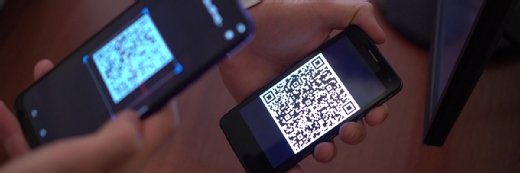
In fact, Oracle Health, which is one of the early adopters of the pledge, integrated CLEAR's digital identity verification tool earlier this year. The tool allows patients to use a QR code to digitally verify their identity and access and share their medical records.
Identity verification is also a key aspect of TEFCA, the nationwide framework for health information sharing. Individual access services, one of six foundational exchange purposes under TEFCA, require that patients have easy, secure access to their medical records through third-party apps. Identity verification service providers, like CLEAR or ID.me, offer a pathway to IAS by issuing digital identity tokens that TEFCA participants must accept.
Partnerships like the one between health technology and digital identity verification companies are likely to become more common as initiatives such as Kill the Clipboard and TEFCA advance.
Anuja Vaidya has covered the healthcare industry since 2012. She currently covers healthcare IT and innovation, including artificial intelligence, digital healthcare, EHRs and interoperability.