
Getty Images
How to restore a deleted Android work profile
If a user deletes an Android work profile or moves to a new phone, IT usually needs to reenroll the device. Here's how to restore work access and reduce support tickets.

Users and IT administrators might need to restore access to a deleted work profile for several reasons.
A user might accidentally remove the profile, or they might be moving from an old Android phone to a new one. In practice, that usually means reenrolling the device through the organization's management platform rather than restoring the profile from a standard Android backup. Google says backup can't be used when setting up a personal device with a work profile or a company-owned device.
For IT teams, the priority is to give users a clear reenrollment path, confirm that work apps and settings return correctly, and reduce repeat help desk tickets when devices are replaced or self-unenrolled.
Prerequisites for restoring an Android work profile
To restore a deleted work profile, organizations need an Android Enterprise-compatible MDM or unified endpoint management platform integrated with managed Google Play. The product can vary, but the key requirement is that it can enroll Android Enterprise devices, create or recreate work profiles, apply policies and confirm enrollment status.
How to restore a deleted Android work profile
Restoring a work profile, in most cases, is a task the end user completes. To help guide users through the process of restoring a deleted work profile, it is important to provide screenshots and documentation wherever possible. This makes it easier for end users to understand how they should complete the task and can reduce help desk tickets related to this process.
This example uses Microsoft Intune, but the general flow is similar across Android Enterprise-capable management platforms. The accompanying screenshots show one example of this process in Intune, but the exact prompts can vary by platform, device and Android version.
- Install the organization's management app from Google Play and sign in with the work account.
- Start the enrollment flow and follow the prompts to create a work profile.
- Review the privacy information and accept the required Google terms. On some Samsung devices, users might also see Knox-specific prompts.
- Wait while the work profile is created and activated, then complete any required device settings or compliance steps.
- Open the Work tab or work-badged app list to confirm that work apps are present and the profile is active.

If a user sets up the Android work profile as a new user, they only need to download the MDM agent, open it and then tap Begin.
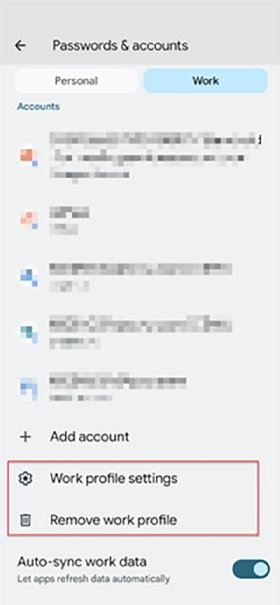
Once setup is complete, users should confirm that their work apps appear with the briefcase badge and that the device shows Work profile settings under Settings > Passwords and accounts > Work. Google notes that on Android 14 and later, users can also search Settings for Work profile settings.
This can vary by Android version, device model and management platform, so IT should maintain device-specific screenshots and user documentation wherever possible.
This helps users return to work without unnecessary delays, but IT should also confirm that the device is syncing and shows the expected status in the MDM console. Enrollment, compliance and pending-action reports can help identify devices that failed to finish reenrollment or still need user action.
How to temporarily turn off an Android work profile
If users remove their work profile simply because they want a break from work apps, IT should remind them that Android supports pausing a work profile without deleting it.
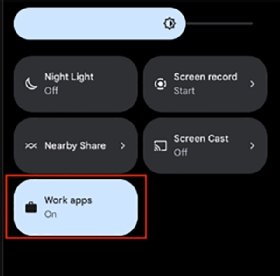
Google says users can pause the profile from the Work tab in the app drawer or from the Quick Settings work tile. Some devices also support a schedule for turning the profile on and off automatically. On company-owned devices, admins can set limits on how long a work profile can stay paused. If the profile stays paused longer than that limit, access to personal apps and data can be suspended until the user turns the work profile back on.
For everyday support, this distinction matters: Deleted profiles usually require reenrollment, while paused profiles usually just need to be turned back on.
For IT teams, the goal is not only to restore work access, but also to document reenrollment paths, clarify ownership-based support rules and reduce repeat help desk tickets when users replace devices or remove profiles on their own.
Editor's note: This article was updated in March 2026 to reflect current Android Enterprise reenrollment guidance and improve the reader experience.
Michael Goad is a freelance writer and solutions architect with experience handling mobility in an enterprise setting.